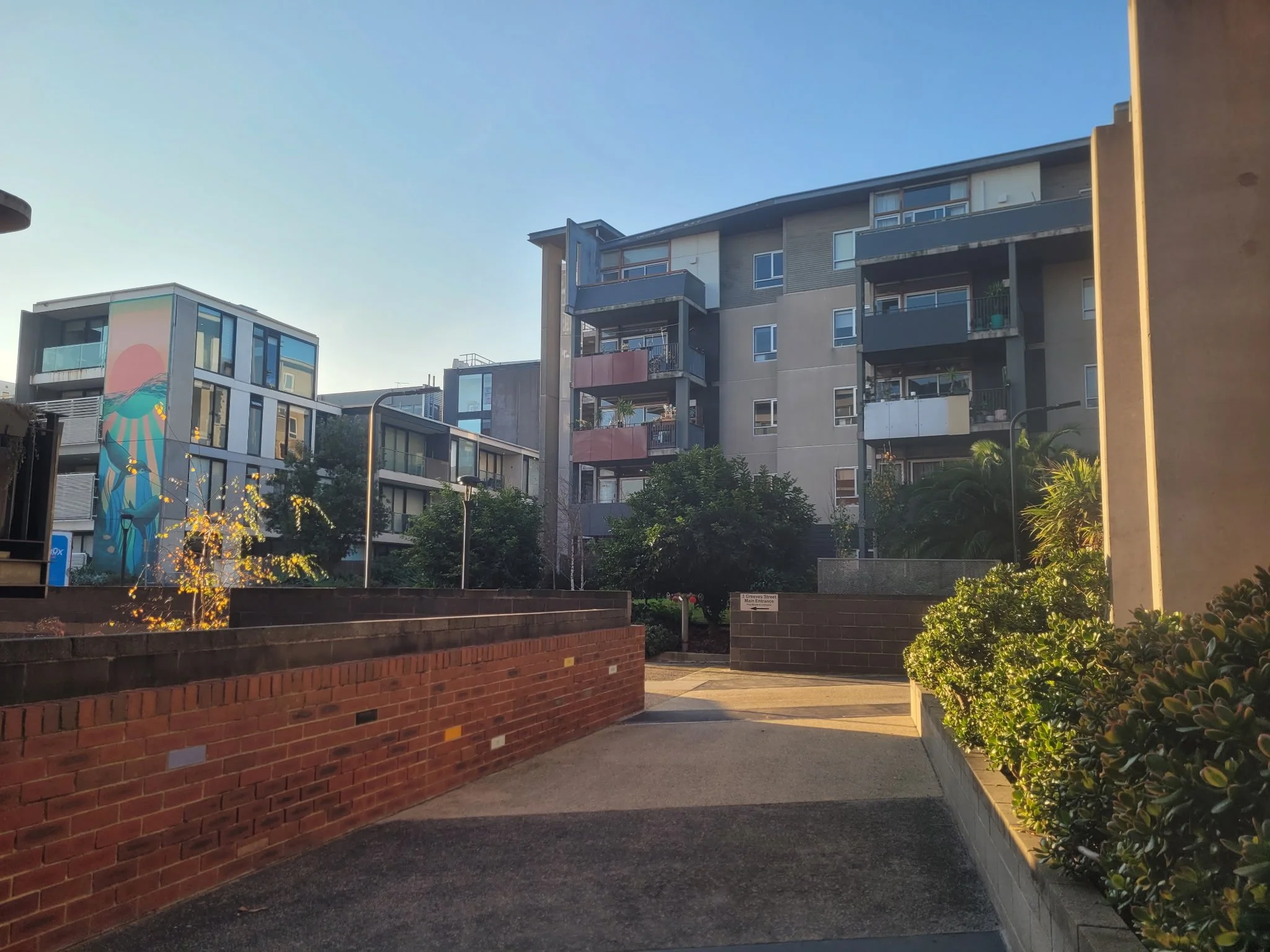
Public Housing Renewal Program (PHRP)
PHRP covers 11 low-rise walk-up estates - a separate, earlier program to the High-Rise Redevelopment Program, which covers the 44 towers.

In 2017, the Andrews Government announced the redevelopment of 11 public housing walk-up estates across Melbourne, from Heidelberg to Hawthorn, Brunswick to Brighton, costed at the wildly unrealistic figure of just $185 million which would allegedly be recouped when the private units were sold.
Across all these estates, the redevelopment model was roughly 70% private to 30% community housing. But this business model only attracted developers to four estates. The rest have since been developed either by Homes Victoria or through a consortium headed up by Community Housing Ltd, through the Ground Lease Model.
The PHRP signalled the demise of the public housing sector as the redeveloped sites are managed by corporate Housing Associations. Under Dan Andrews and his successors, the Victorian Labor Government has abandoned its responsibility to manage public housing assets and tenancies. The redeveloped community housing blocks will remain Director-owned, for the time being at least.
What is the PHRP?
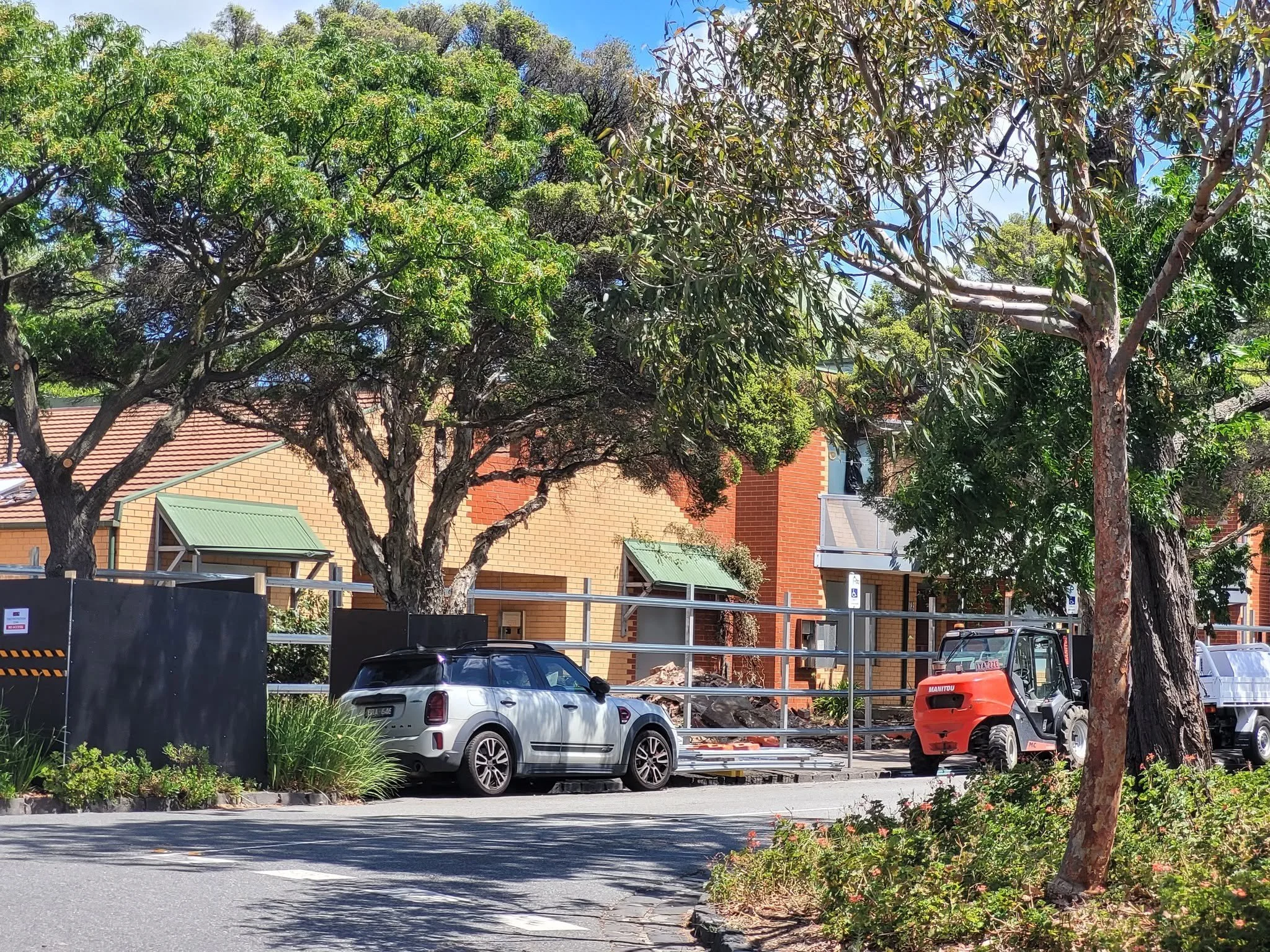
What the PHRP Has Meant for Residents
Residents from the PHRP estates were displaced, many to far-flung areas severed from their supports and social networks. It took five years before construction began on the new builds.
Communication between Homes Victoria and the former residents was inadequate by all accounts but presumably they were mostly given the chance to return once their former homes were rebuilt.
As the new places are smaller, larger families have struggled. There are complaints about the costly ‘embedded network’ energy providers; about the toilets being inside the bathrooms and furniture not fitting but Homes Vic told them to put their dining tables on the balconies. One tower resident has likened the new places to ‘tofu cubes’.